12 Ways to Stay Productive While You're Unemployed
Between jobs and the days feel long? Here are 12 ways to stay productive while unemployed, protect your money, and keep growing while you wait for an offer.
Key points: Why the waiting part of a job search is harder than it looks, and 12 ways to stay productive while unemployed, organized around The Seven Pillars of Personal Investment.
Who it's for: You, if you're between jobs and the days between applications feel long, quiet, or heavy.
What you'll walk away with: A simple weekly rhythm that keeps your search moving, protects your money, and keeps you growing while you wait.
The applications are sent. The follow-up emails are written. Now comes the part nobody prepares you for: the waiting.
Some weeks you have three interviews. Some weeks you hear nothing at all. And in that quiet, it's easy to start telling yourself a story: that you're falling behind, that everyone else has it figured out, that this gap says something about who you are.
It doesn't. Being between jobs is a season, not a verdict. How you spend this season can make it easier on your mood, easier on your budget, and stronger on your next application.
Let's break down how to stay productive while you're unemployed, without turning every waking hour into a to-do list.
Why staying productive while unemployed matters
A job search has a lot of waiting built in. You apply, then you wait on someone else's timeline. That waiting can wear on you, because work gives you more than a paycheck. It gives you structure, people to talk to, and a sense of progress.
When work goes away, you can rebuild those things on purpose. Productive doesn't mean busy. It means spending part of each day on something that leaves you a little stronger than you were yesterday.
The gap on your calendar is real. What you put in it is up to you.
Woman lacing her walking shoes by a sunlit front door, getting ready for a morning walk
Use the seven pillars as your map
At Infinite Investor, we organize self-investment around The Seven Pillars of Personal Investment: Faith, Health, Leadership, Relationships, Success, Teamwork, and Wealth. Each one is an area of your life that feeds the others, including your career and your money.
They also make a handy map for this season. Instead of wondering what to do with a free afternoon, pick a pillar.
Health: protect your energy
Move your body. A workout, a walk, or a bike ride gives stress somewhere to go. A daily walk counts.
Get outside. Time outdoors can lift your mood and your energy. Try a solo hike, some yard work, or an afternoon at the park with your kids.
Clear your space. A tidy home can make a heavy week feel lighter. Pick one project, like a closet, the garage, or the bathroom, and finish it.
If the stress starts to feel like more than stress, talking with a doctor or counselor is a smart, strong move.
Relationships: stay connected
Make time for your people. Plan a free weekend outing, like a park or a museum's free admission day, or invite a friend on a morning run. Being out of work can feel isolating, and staying close to the people you love helps. They're also often the first to hear about an opening.
Faith: tend to your mindset
Read for the joy of it. Fiction, nonfiction, or a childhood favorite. Your local library makes it free.
Make room for what grounds you. For some, that's a church or faith community. For others, it's prayer, meditation, journaling, or quiet time at home. In our framework, Faith means your purpose, values, and beliefs, and a season like this is a good time to reconnect with them.
Wealth: protect your money
Review your budget. A budget is simply a plan for where your money goes each month. Write down what's coming in and what's going out, then trim where it's easiest, often entertainment, subscriptions, and utilities. If you haven't yet, check whether you qualify for unemployment benefits, which are weekly payments from your state that replace part of your lost wages while you look for work. Rules and amounts vary by state, so your state's labor department website is the place to start.
Turn a skill into a little income. Tutoring, part-time catering, or a small freelance project in your field can stretch your savings and keep your skills sharp. Before you start, check how extra income affects your unemployment benefits, since many states reduce or adjust payments when you earn.
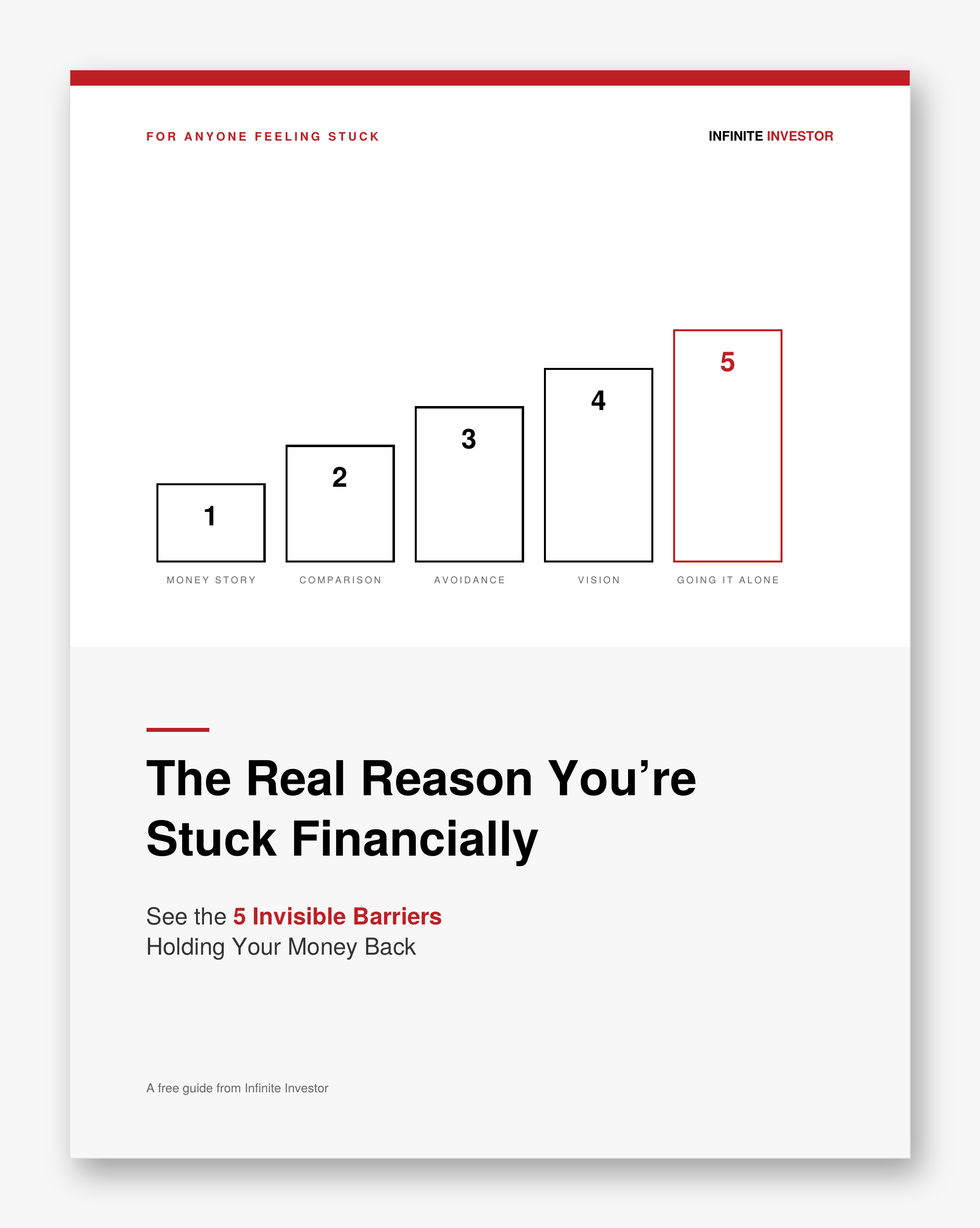
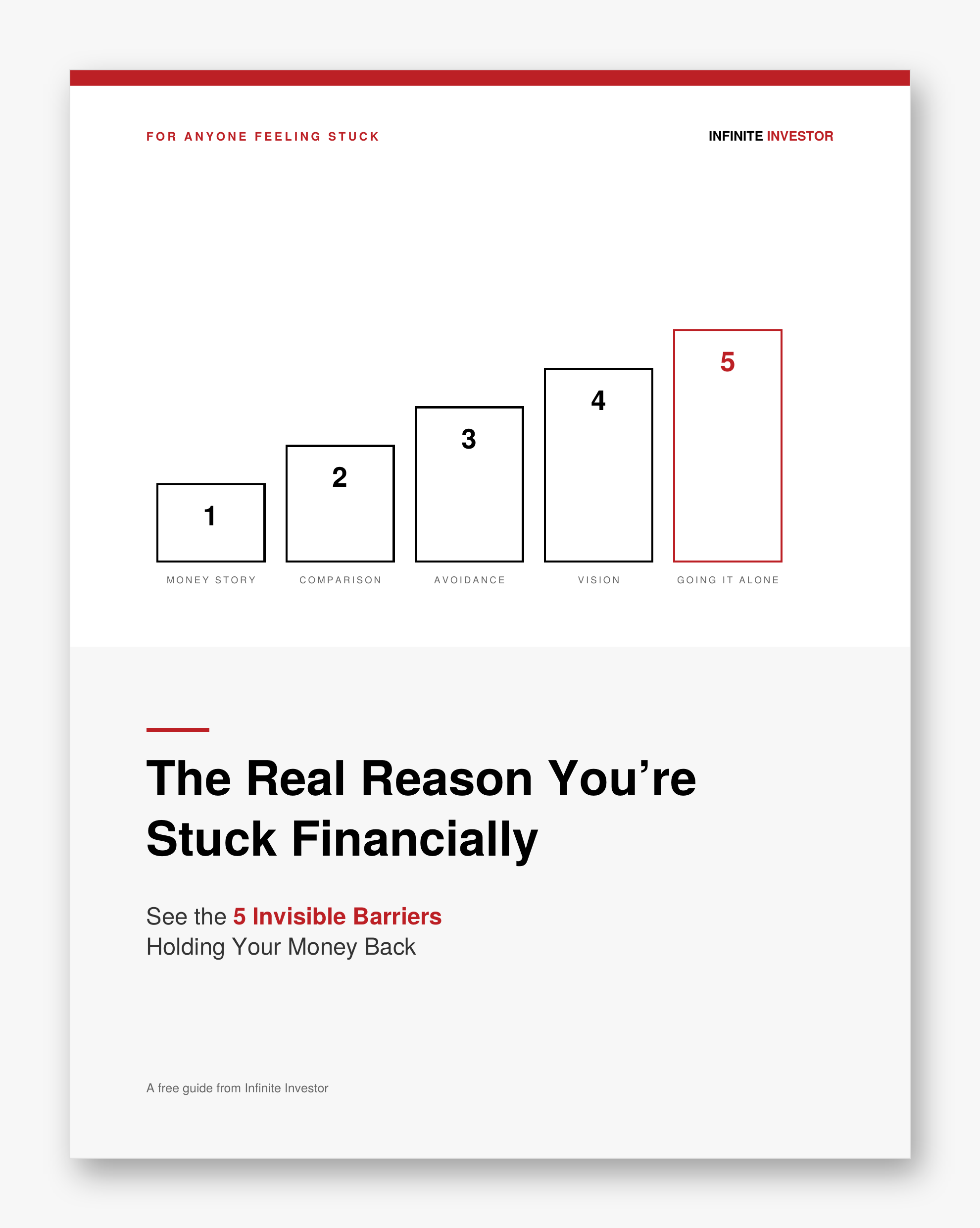
If money stress is keeping you up at night, our free guide, The Real Reason You're Stuck Financially, shows you what's holding your finances back and where to start.
Take a course. Community colleges and online programs offer classes in skills employers look for, from coding to basic accounting.
Decide where you're headed. This is a natural moment to ask yourself: do I want the same kind of role again, or something new? Write down your experience, your strongest skills, and the people you know. Patterns often point to options you hadn't considered.
Leadership: show what you know
Build your portfolio and polish your profile. Interview a respected voice in your field and publish it on a blog or in an industry publication, or record a short educational video. Then update your LinkedIn profile with your recent accomplishments and a current, professional photo. Leadership isn't a title. It's the influence you build by sharing what you know.
Teamwork: help others while you help yourself
Volunteer. Help at a fun run or a food drive, or offer your skills to a local charity, like updating its database or writing its newsletter. Volunteering can lift your confidence, connect you with new people, and give you real, recent work to talk about with employers.
You don't need all twelve. One or two a day is plenty.
Two volunteers sorting canned food into boxes together at a community food bank
Build a simple weekly rhythm
Structure is one of the things work gave you without asking. Here's one way to rebuild it:
Mornings: the job search. Applications, follow-ups, and networking messages, while your energy is highest.
Afternoons: one pillar. Pick one idea from the list. Monday might be a course module, Tuesday a long walk and a call with a friend, Wednesday a volunteer shift.
Once a week: a 15-minute money check-in. Look at your balances, your spending, and how your savings are holding up.
A rhythm beats a perfect plan, because a rhythm is something you can keep.
Here's what you can do today
Grab a notebook and draw three columns: Health, Wealth, and Success. Under each one, write one thing you'll do this week. Keep each one small enough to finish in an afternoon.
That's your first week. When you look at it again next Sunday, add another pillar.
A gap like this is a chapter, not the whole story. You can come out of it rested, sharper, and closer to the people who matter, and ready for whatever comes next.
Haven't grabbed your copy yet? Download The Real Reason You're Stuck Financially and get the roadmap for free.